
Москва, Игарский проезд, д. 2, офис 314
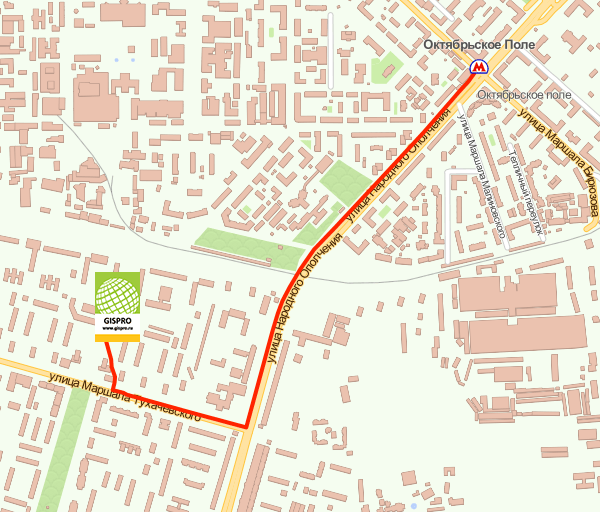
схема проезда
тел. (495) 639-80-82
ИНН: 7703741816
КПП: 771601001
Wait, but the user mentioned a PDF. Maybe they have access to it and want an explanation based on that? Since I can't access external files, I'll have to rely on my knowledge. I should mention that the book provides a detailed refutation, using Quranic verses and Hadiths, and addresses issues like free will, responsibility, and divine knowledge.
The essay should cover the purpose of the book. Ibn Hazm was a Zahir (literalist), meaning he believed in interpreting texts literally, so his approach would be to criticize the Jahmiyyah's interpretations as being too allegorical and leading away from the true meanings of the Quran and Hadith. I should explain their views versus his. Bayan Talbis Al-jahmiyyah Pdf
I should also mention that "Bayan Talbis Al-jahmiyyah" is a key text for understanding the theological conflicts in the Islamic world during that period. It's important to note its role in the Zahirite school of thought and its lasting influence on the understanding of Free Will and Divine Knowledge in Islam. Wait, but the user mentioned a PDF
I think that's a good start. Now, structure the essay with these points in mind, making sure to explain each part clearly and provide enough context for someone who might not be familiar with these theological schools. Use clear examples from the book's arguments if possible, though without direct quotes, but general references to the methods Ibn Hazm used. I should mention that the book provides a
"Bayan Talbis Al-jahmiyyah" (The Explanation of the Deception of the Jahmiyyah) is a seminal work by the 11th-century Andalusian scholar Abu Muhammad Ali al-Isfahani, better known as Ibn Hazm. This treatise is a pivotal text in Islamic theological discourse, systematically refuting the doctrines of the Jahmiyyah, a controversial school of thought linked to the predestinarian views of Ja'far al-Jahm ibn Safwan. The book underscores Ibn Hazm’s commitment to the Zahiri school of jurisprudence, which emphasizes literal interpretations of the Quran and Hadith, and serves as a cornerstone in debates surrounding divine knowledge and human free will.
Ibn Hazm (994–1064) was a prolific scholar from Cordoba, Spain, renowned for his contributions to theology, jurisprudence, and history. A leading proponent of the Zahiri school, he rejected speculative reasoning ( ta'wil ) and allegorical interpretations in favor of a text-based approach. His intellectual rigor and prolific writings, including the foundational text Al-Fasl fi al-Milal wa al-Ahwa wa al-Nihal , cemented his legacy as a major figure in Islamic thought.
Москва, Игарский проезд, д. 2, офис 314
схема проездател. (495) 639-80-82
ИНН: 7703741816
КПП: 771601001