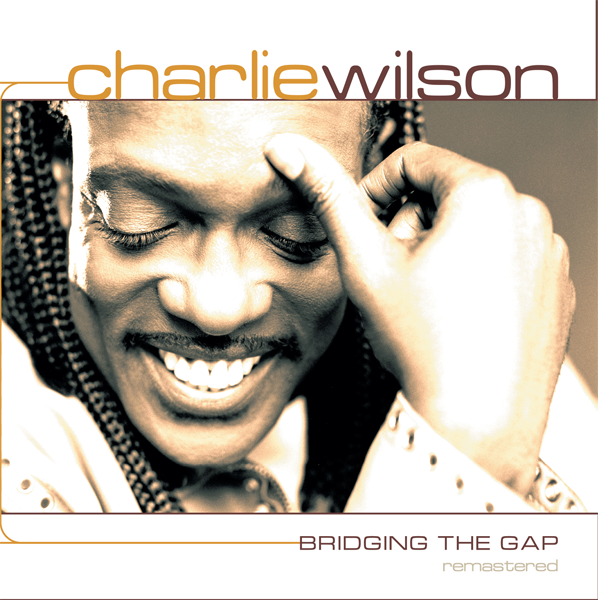
Charlie Wilson Joins ‘We Playin’ Spades’ to Talk Music, Classic Hits, and His Upcoming R&B Cookout Tour
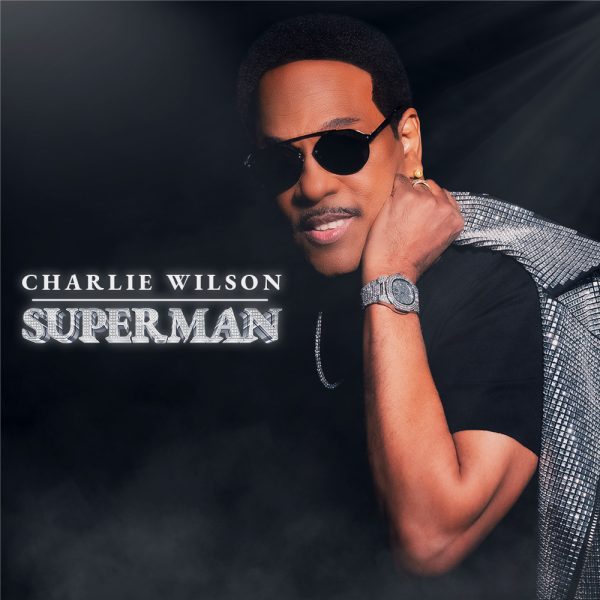
Charlie Wilson joined Nick Cannon and Courtney Bee on the popular “We Playin’ Spades” podcast, where he shared stories from […]
Read More »Tamil cinema began in the 1910s, with the production of the first Tamil film, "Keechaka Vadham," in 1918. During the early years, Tamil films were primarily mythological and historical dramas, which were popular among the masses. The 1930s and 1940s saw the rise of social dramas, which tackled issues like poverty, inequality, and social injustice. These early films laid the foundation for the Tamil film industry, which would go on to produce some of the most iconic and influential films in Indian cinema.
The 1960s and 1970s are often referred to as the Golden Era of Tamil cinema. During this period, films like "Kadal Meengal" (1963), "Moondram Pirai" (1964), and "Aadavarangal" (1972) showcased the industry's ability to produce high-quality films with engaging storylines, memorable characters, and melodious music. This era also saw the emergence of legendary actors like M.G.R. (Mani Gramam Rajagopal), Sivaji Ganesan, and Kamal Haasan, who would go on to become household names in Tamil Nadu. desi tamil aunty sex videos high quality
Tamil cinema has had a significant impact on Indian popular culture, with many Tamil films influencing other film industries in India and abroad. The industry has produced some of the most iconic actors, directors, and music composers in Indian cinema, including A.R. Rahman, who has won numerous awards for his contributions to Tamil cinema. Tamil cinema began in the 1910s, with the
In recent years, Tamil cinema has experienced a resurgence, with a new generation of filmmakers producing innovative and thought-provoking films. The 2010s saw the release of critically acclaimed films like "3" (2012), "Raja Rani" (2013), and "Jilla" (2014), which pushed the boundaries of storytelling and filmmaking in Tamil cinema. These films not only performed well at the box office but also received recognition at international film festivals. These early films laid the foundation for the
Charlie Wilson joined Nick Cannon and Courtney Bee on the popular “We Playin’ Spades” podcast, where he shared stories from […]
Read More »
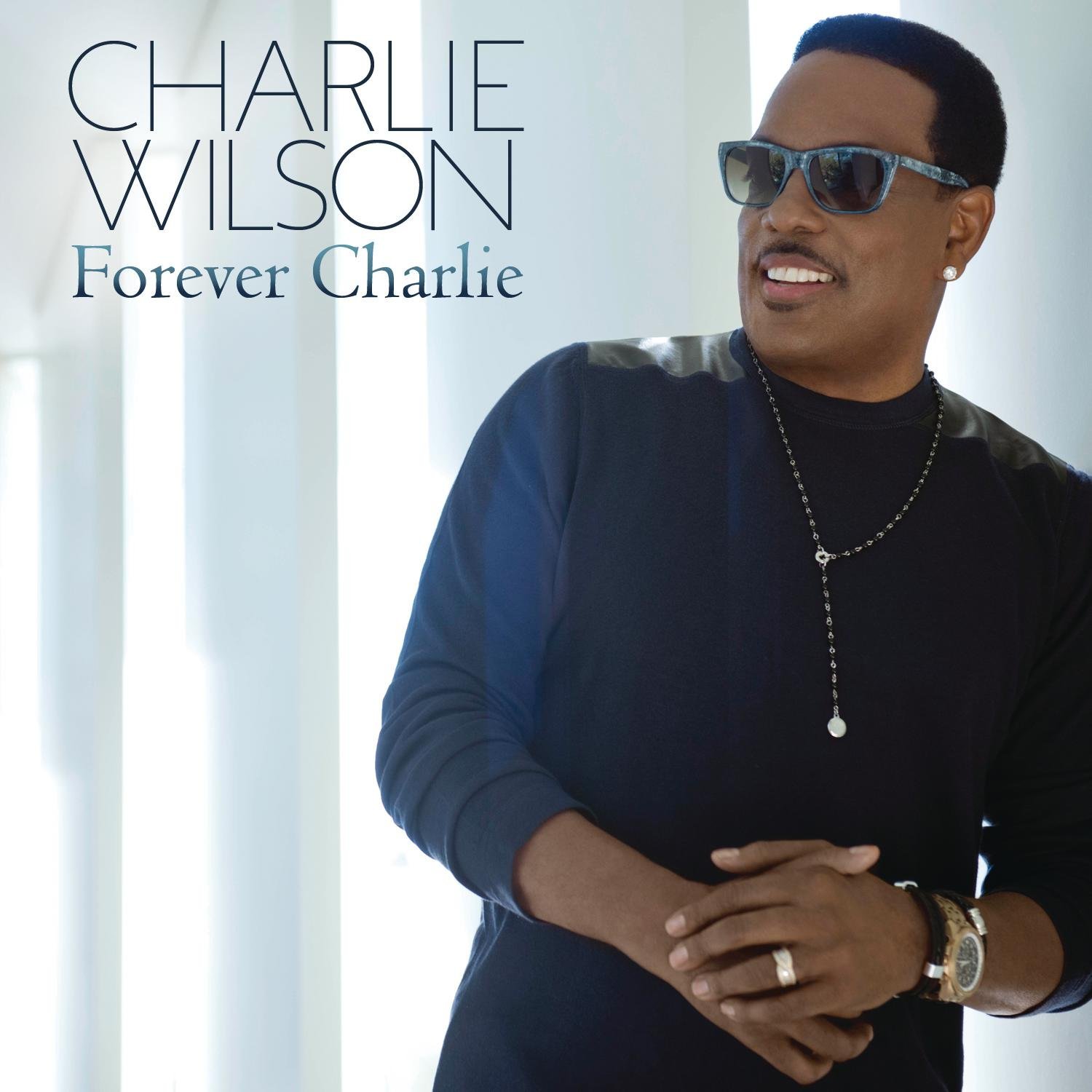
Charlie Wilson joins Amaarae on her highly anticipated new album Black Star, collaborating on the track “Dream Scenario.” The 13-song […]
Read More »
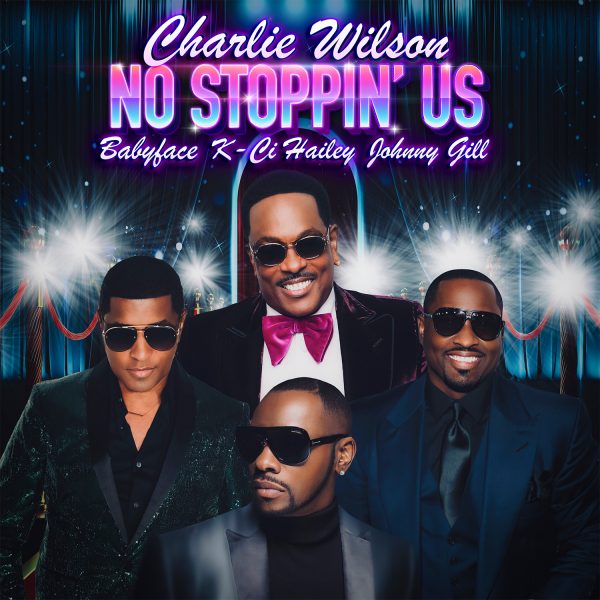
Charlie Wilson’s newest single taps back into his signature feel-good sound with a groove that is perfect for the summer. […]
Read More »
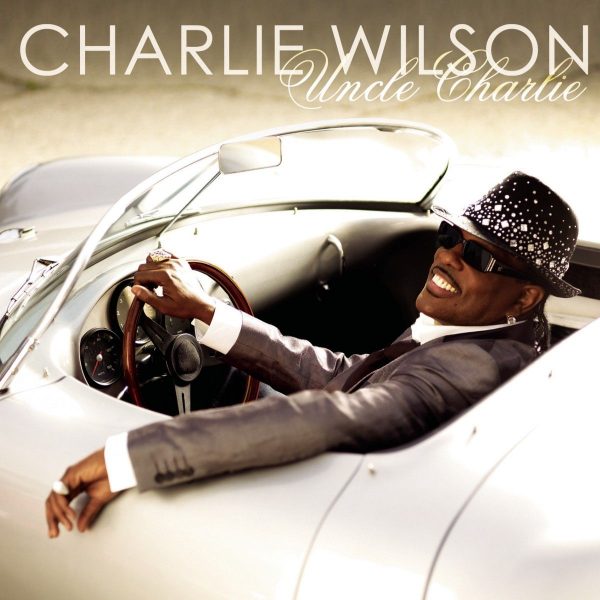
Charlie Wilson brings his signature smooth vocals to country star Scotty McCreery’s new single “Once Upon a Bottle of Wine” […]
Read More »
Charlie Wilson joins Gracie’s Corner, the popular children’s animated sing-along YouTube series for a new song, “Have a Good Time.” Watch […]
Read More »
Tamil cinema began in the 1910s, with the production of the first Tamil film, "Keechaka Vadham," in 1918. During the early years, Tamil films were primarily mythological and historical dramas, which were popular among the masses. The 1930s and 1940s saw the rise of social dramas, which tackled issues like poverty, inequality, and social injustice. These early films laid the foundation for the Tamil film industry, which would go on to produce some of the most iconic and influential films in Indian cinema.
The 1960s and 1970s are often referred to as the Golden Era of Tamil cinema. During this period, films like "Kadal Meengal" (1963), "Moondram Pirai" (1964), and "Aadavarangal" (1972) showcased the industry's ability to produce high-quality films with engaging storylines, memorable characters, and melodious music. This era also saw the emergence of legendary actors like M.G.R. (Mani Gramam Rajagopal), Sivaji Ganesan, and Kamal Haasan, who would go on to become household names in Tamil Nadu.
Tamil cinema has had a significant impact on Indian popular culture, with many Tamil films influencing other film industries in India and abroad. The industry has produced some of the most iconic actors, directors, and music composers in Indian cinema, including A.R. Rahman, who has won numerous awards for his contributions to Tamil cinema.
In recent years, Tamil cinema has experienced a resurgence, with a new generation of filmmakers producing innovative and thought-provoking films. The 2010s saw the release of critically acclaimed films like "3" (2012), "Raja Rani" (2013), and "Jilla" (2014), which pushed the boundaries of storytelling and filmmaking in Tamil cinema. These films not only performed well at the box office but also received recognition at international film festivals.