Preservation strategies can be simple and community-driven: standardized tagging practices, shared release notes, volunteer-run archives, and cooperation with independent labels to deposit master files in safe repositories. Doing so respects both the ephemeral pleasures of underground culture and the historical value of its artifacts. As serialized mixes gain traction, commercial actors may seek to monetize them—through branded channels, algorithmic playlists, or exclusive drops. Monetization can bring resources and greater reach, but it also risks altering aesthetic choices and gatekeeping access. The scene faces a recurring trade-off: growth and sustainability versus the freewheeling creativity that made it compelling. Successful navigation will likely involve hybrid approaches that keep key practices community-centered while experimenting with ethical revenue models that compensate contributors. Conclusion "partyhardcore party hardcore vol 68 part 5" is more than a catalog entry; it’s a node in a living ecosystem of taste, ritual, and exchange. Its importance lies less in any single tracklist than in what it reveals about how music communities organize, persist, and adapt in the digital age. Protecting that vitality requires attention to metadata and archives, respect for authorship, and thoughtful approaches to monetization that preserve the communal energy at the heart of hardcore culture.

They also function as social signals: who recognizes a rare bootleg, who can name a dropped sample, who shares a tracklist. That participatory layer—comments, track-ID threads, fan remixes—keeps the scene alive beyond passive consumption. Titles like "partyhardcore party hardcore vol 68 part 5" often accompany releases with scant metadata: minimal credits, opaque timestamps, and informal distribution. This anonymity can be generative—protecting artists in sensitive contexts, fostering DIY ethics, and prioritizing collective culture over individual branding. Yet it complicates credit, copyright, and compensation. As scenes scale online, unresolved tensions emerge between open sharing and fair recognition for creators whose work is sampled, mixed, or redistributed without attribution. Digital archiving and discoverability Serial mixes present archiving challenges. Their fragmented titling, inconsistent metadata, and platform-dependent availability make long-term discovery precarious. Without deliberate preservation—proper tagging, mirrored repositories, or label-led catalogs—many installments risk vanishing as platforms change policies or accounts lapse. For researchers, DJs, and future fans, that loss erases part of a cultural lineage.
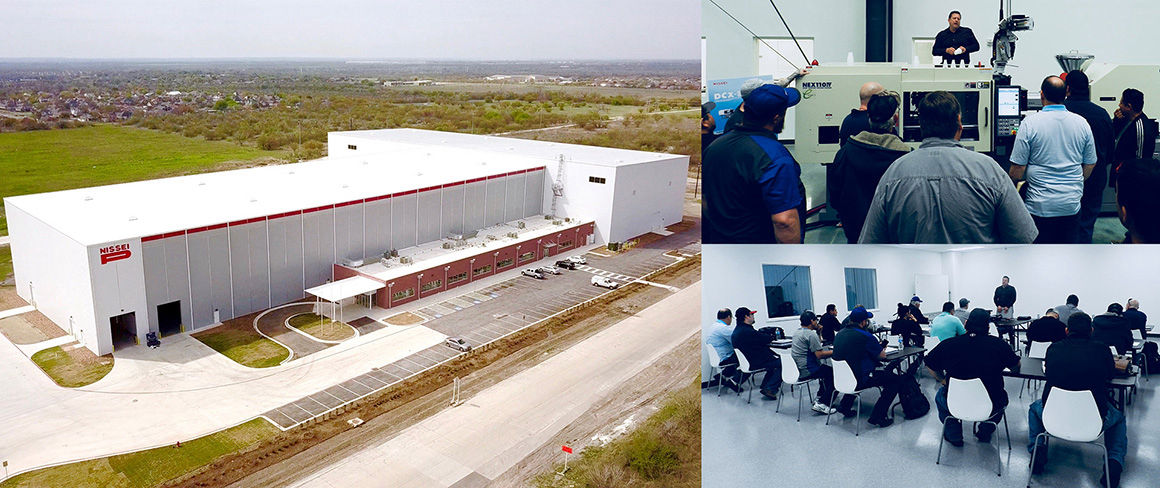
COURSE DESCRIPTIONS

  • First Day's Agenda
    - Nissei company profile
    - The molding machine: general descriptions
    - Exploring the actual machine
    - Manual operation procedures, including mold setup
    - Procedure for automatic operation
  • Second Day's Agenda
    - Details of the electronic controller
    - Optimizing the molding conditions
    - Controlling the injection process
    - Statistical quality control
    - Starting the machine and molding operation
  • Third Day's Agenda
    - Hydraulic components and circuits
    - Electrical diagrams
    - Diagnostic functions and troubleshooting
    - Maintenance and inspection
    - Presentation of Completion Certificates
NISSEI School USA

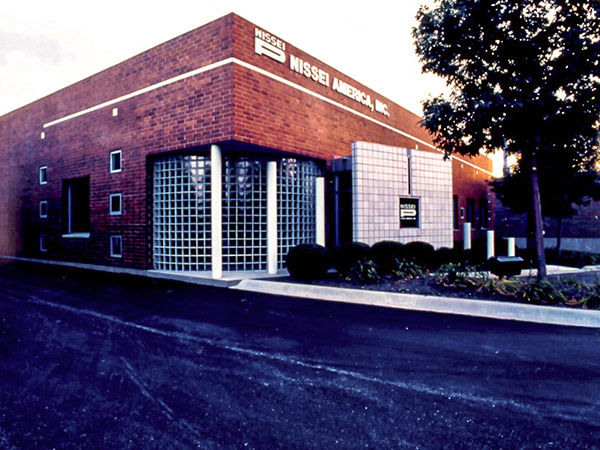
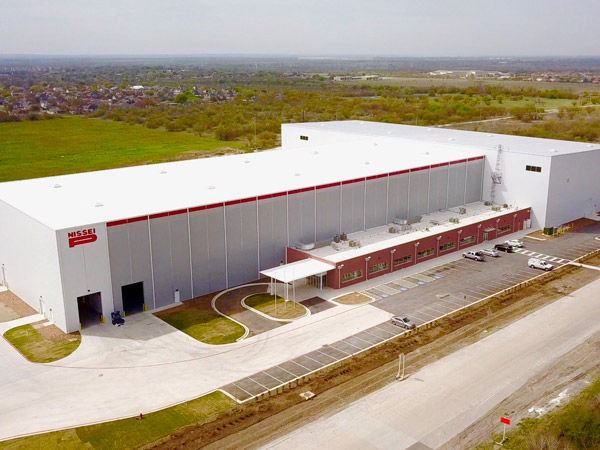
Nissei America Headquarters and Nissei Texas Technical Center

HOURS

9:00am to 4:30pm
*Lunch 12 noon to 1PM


FEES

$399.00 per person
*including textbooks and lunch


REGISTRATION FORM DOWNLOAD

After confirming the availability (please call or email the location of your choice), please fill out and send us the registration form.

LOCATIONS

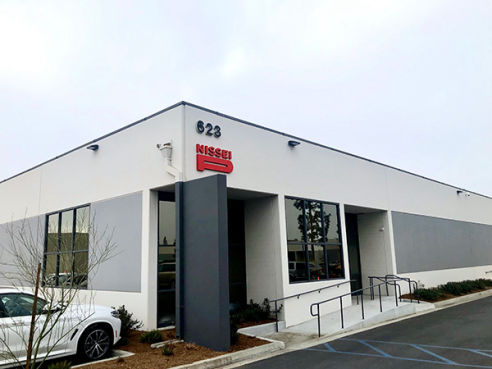
NISSEI LA

Los Angeles Tech Center

623 S State College Blvd. #10A
Fullerton, CA 92831
Phone: 714-693-3000
Size: 12 ppl/course
NISSEI Chicago

Chicago Tech Center

721 Landmeier Road
Elk Grove Village, IL 60007
Phone: 847-228-5000
Size: 11 ppl/course
NISSEI New Jersey

New Jersey Tech Center

1085 Cranbury South River Road Suite 7
Jamesburg, NJ 08831
Phone: 732-271-4885
Size: 12 ppl/course
NISSEI Texas

Texas Tech Center

3730 Global Way
(formerly Lyster Rd)
San Antonio, TX 78235
Phone: 732-271-4885
*Minimum of 10 ppl/course

Partyhardcore Party Hardcore Vol 68 Part 5 💯 Working

Preservation strategies can be simple and community-driven: standardized tagging practices, shared release notes, volunteer-run archives, and cooperation with independent labels to deposit master files in safe repositories. Doing so respects both the ephemeral pleasures of underground culture and the historical value of its artifacts. As serialized mixes gain traction, commercial actors may seek to monetize them—through branded channels, algorithmic playlists, or exclusive drops. Monetization can bring resources and greater reach, but it also risks altering aesthetic choices and gatekeeping access. The scene faces a recurring trade-off: growth and sustainability versus the freewheeling creativity that made it compelling. Successful navigation will likely involve hybrid approaches that keep key practices community-centered while experimenting with ethical revenue models that compensate contributors. Conclusion "partyhardcore party hardcore vol 68 part 5" is more than a catalog entry; it’s a node in a living ecosystem of taste, ritual, and exchange. Its importance lies less in any single tracklist than in what it reveals about how music communities organize, persist, and adapt in the digital age. Protecting that vitality requires attention to metadata and archives, respect for authorship, and thoughtful approaches to monetization that preserve the communal energy at the heart of hardcore culture.

They also function as social signals: who recognizes a rare bootleg, who can name a dropped sample, who shares a tracklist. That participatory layer—comments, track-ID threads, fan remixes—keeps the scene alive beyond passive consumption. Titles like "partyhardcore party hardcore vol 68 part 5" often accompany releases with scant metadata: minimal credits, opaque timestamps, and informal distribution. This anonymity can be generative—protecting artists in sensitive contexts, fostering DIY ethics, and prioritizing collective culture over individual branding. Yet it complicates credit, copyright, and compensation. As scenes scale online, unresolved tensions emerge between open sharing and fair recognition for creators whose work is sampled, mixed, or redistributed without attribution. Digital archiving and discoverability Serial mixes present archiving challenges. Their fragmented titling, inconsistent metadata, and platform-dependent availability make long-term discovery precarious. Without deliberate preservation—proper tagging, mirrored repositories, or label-led catalogs—many installments risk vanishing as platforms change policies or accounts lapse. For researchers, DJs, and future fans, that loss erases part of a cultural lineage. partyhardcore party hardcore vol 68 part 5