
Private Island 2013 Link < Instant Download >

  • private island 2013 link
  • private island 2013 link
  • private island 2013 link
  • private island 2013 link
  • private island 2013 link
private island 2013 link

On a warm morning in late summer, nearly a decade after she first stepped onto Blackbird’s dock, Marina climbed the hill behind the boathouse with a camera and a notebook. She found a sixth journal tucked beneath a loose floorboard in the boathouse—a discovery that made her laugh and then cough, because islands keep giving up their pasts when people bother to ask. It was Margaret’s handwriting again, but steadier, older. In it Margaret had written: We buried the trouble, yes. But trouble is a kind of weather; sometimes it leaves footprints.

That afternoon she asked Jonathan about the island’s past. He listened, then folded his hands on his chest, the type of pause that tries to transform memory into an answer.

On opening night a handful of island residents came by: Elise, Jonathan, Finn, and Stella with her bright scarf. A woman who introduced herself as Margaret’s niece stood in a corner, reading the letters as if sifting through the bones of a relative. People paused at the photograph of the two children—many faces recognized one of the children as the boy who’d once lived on the ferry route and now worked in a print shop uptown. He had grown into the same haunted expression.

But the later entries—2011, 2012—changed tone. There were more precautions: locks, lists, names to be watched. Margaret wrote of a man named Kessler, a developer who came often and offered to modernize, to put in docks and a helipad “for wealthy friends.” Margaret refused, keeping a stubborn archive of what land could be without commerce’s neat hands. The last dated entry read like a small, carefully preserved scream.

The island smelled of salt and old wood. Marina’s first walk took her along a path lined with daffodils pushing up through last year’s leaves. The crew moved between cottages like caretakers at a museum: measuring, sanding, arguing quietly over old beams and whether to replace or restore. Elise introduced Marina to Jonathan, the lead conservator, who had the patient face of someone who could see how things should have been and lacked only a crowbar to make them so. There was Finn, whose hands always carried a smudge of paint, and Lila, who cataloged every nail and shard of glass like it might tell a secret.

That evening, the crew gathered around the boathouse table to plan the next day’s restorative work. Lanterns painted faces in ochres and blues. Elise noticed Marina’s unease and nodded toward the cup of tea steaming at the center of the table.

The foundation’s representatives arrived two days later, their shoes clean and their smiles practiced. They listened when Marina told them what she’d found. They asked to see the chest, the letters, and the locket. Their faces did not register surprise; it was as if they had expected such things to crop up like weeds. They promised transparency, a careful word, and then a meeting in the small community room at the ferry terminal the following week. They wanted to coordinate with local authorities. They talked about press statements and “community healing.” The men and women in jackets used the word “narrative” a lot, a clean container for messy things.

Her hands, which were not prone to superstition, felt like someone else’s. She found a crowbar in the boathouse and began to dig, the earth as stubborn as a story ready to avoid telling. The work was longer than she expected; sand wants to fall into holes you make. Finn came to help without asking. They worked in a rhythm that made sense: pry, lever, push, cough from the spray.

Private Island 2013 Link < Instant Download >

On a warm morning in late summer, nearly a decade after she first stepped onto Blackbird’s dock, Marina climbed the hill behind the boathouse with a camera and a notebook. She found a sixth journal tucked beneath a loose floorboard in the boathouse—a discovery that made her laugh and then cough, because islands keep giving up their pasts when people bother to ask. It was Margaret’s handwriting again, but steadier, older. In it Margaret had written: We buried the trouble, yes. But trouble is a kind of weather; sometimes it leaves footprints.

That afternoon she asked Jonathan about the island’s past. He listened, then folded his hands on his chest, the type of pause that tries to transform memory into an answer.

On opening night a handful of island residents came by: Elise, Jonathan, Finn, and Stella with her bright scarf. A woman who introduced herself as Margaret’s niece stood in a corner, reading the letters as if sifting through the bones of a relative. People paused at the photograph of the two children—many faces recognized one of the children as the boy who’d once lived on the ferry route and now worked in a print shop uptown. He had grown into the same haunted expression. private island 2013 link

But the later entries—2011, 2012—changed tone. There were more precautions: locks, lists, names to be watched. Margaret wrote of a man named Kessler, a developer who came often and offered to modernize, to put in docks and a helipad “for wealthy friends.” Margaret refused, keeping a stubborn archive of what land could be without commerce’s neat hands. The last dated entry read like a small, carefully preserved scream.

The island smelled of salt and old wood. Marina’s first walk took her along a path lined with daffodils pushing up through last year’s leaves. The crew moved between cottages like caretakers at a museum: measuring, sanding, arguing quietly over old beams and whether to replace or restore. Elise introduced Marina to Jonathan, the lead conservator, who had the patient face of someone who could see how things should have been and lacked only a crowbar to make them so. There was Finn, whose hands always carried a smudge of paint, and Lila, who cataloged every nail and shard of glass like it might tell a secret. On a warm morning in late summer, nearly

That evening, the crew gathered around the boathouse table to plan the next day’s restorative work. Lanterns painted faces in ochres and blues. Elise noticed Marina’s unease and nodded toward the cup of tea steaming at the center of the table.

The foundation’s representatives arrived two days later, their shoes clean and their smiles practiced. They listened when Marina told them what she’d found. They asked to see the chest, the letters, and the locket. Their faces did not register surprise; it was as if they had expected such things to crop up like weeds. They promised transparency, a careful word, and then a meeting in the small community room at the ferry terminal the following week. They wanted to coordinate with local authorities. They talked about press statements and “community healing.” The men and women in jackets used the word “narrative” a lot, a clean container for messy things. In it Margaret had written: We buried the trouble, yes

Her hands, which were not prone to superstition, felt like someone else’s. She found a crowbar in the boathouse and began to dig, the earth as stubborn as a story ready to avoid telling. The work was longer than she expected; sand wants to fall into holes you make. Finn came to help without asking. They worked in a rhythm that made sense: pry, lever, push, cough from the spray.

Private Island 2013 Link < Instant Download >

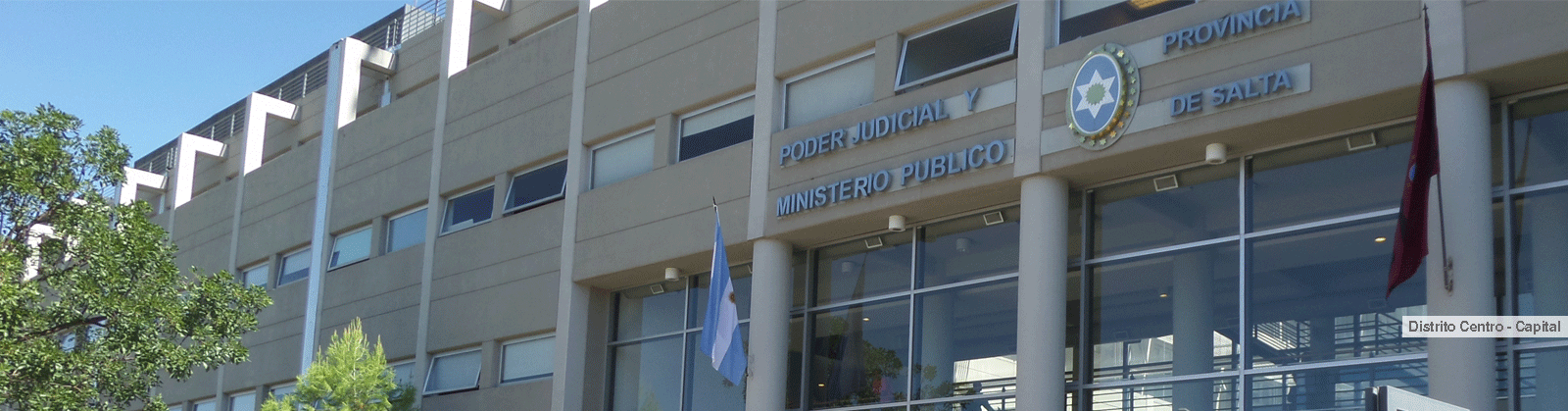
Distrito Centro - Capital

Av. Bolivia 4671 - CP:4408
Tel:
e-mail:prensaju@justiciasalta.gov.ar

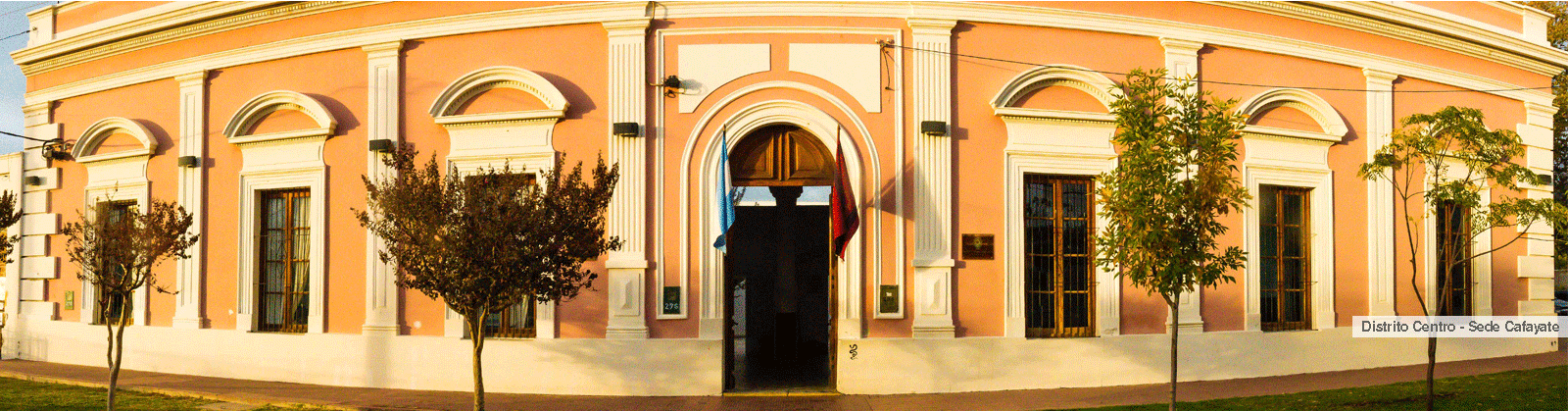
Distrito Centro - Sede Cafayate

Vicario Toscano 276 - CP:4427
Tel:
e-mail: cmultifuero@justiciasalta.gov.ar

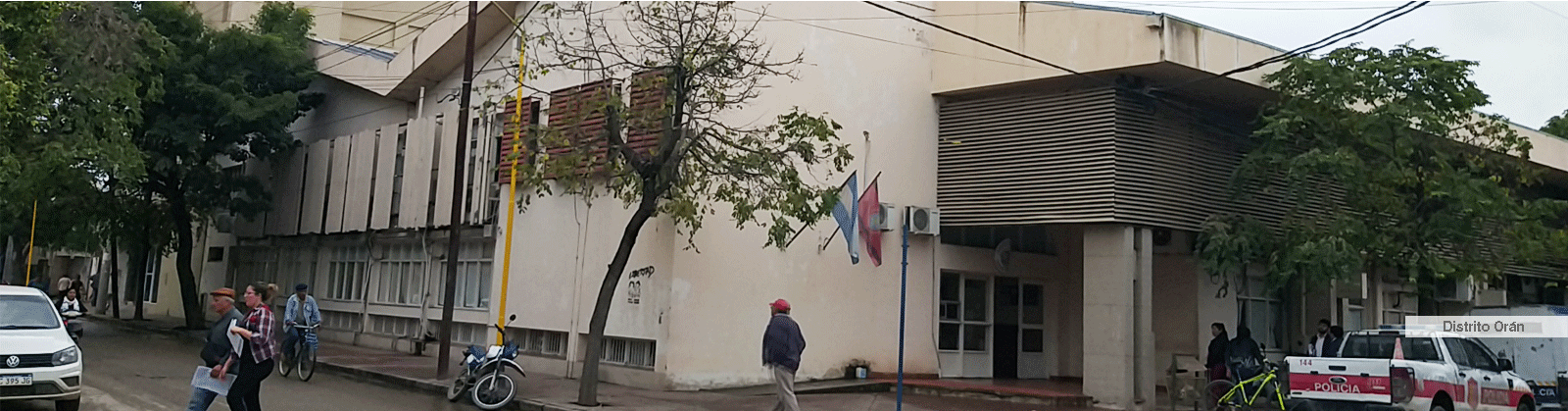
Distrito Orán

Egües y Lamadrid - CP:4530
Tel:
e-mail:oadmins@justiciasalta.gov.ar

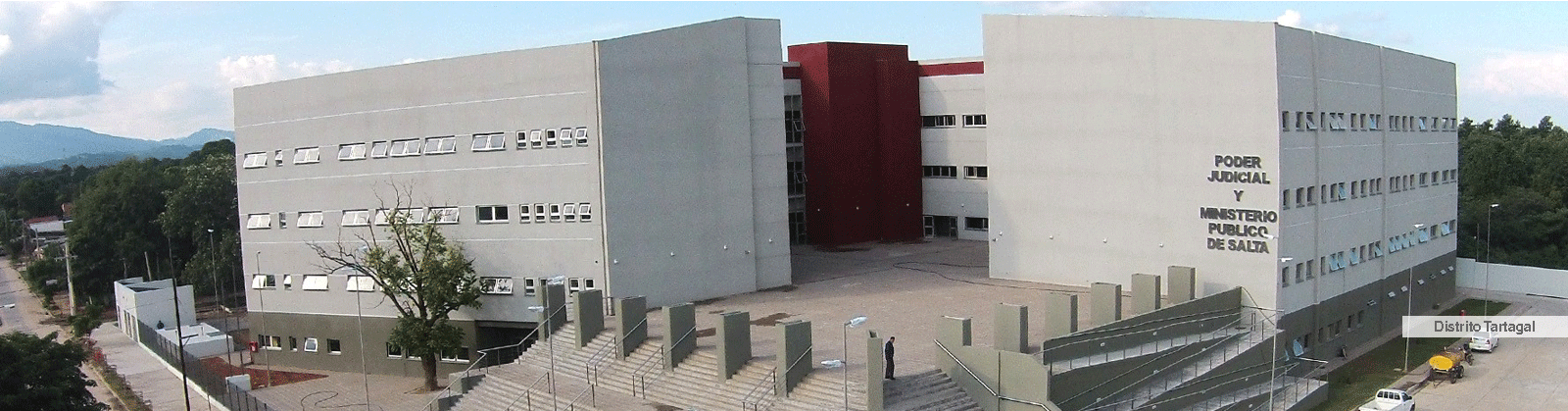
Distrito Tartagal

Av. Mosconi 1461 - CP:4560
Tel:
e-mail: tadmins@justiciasalta.gov.ar

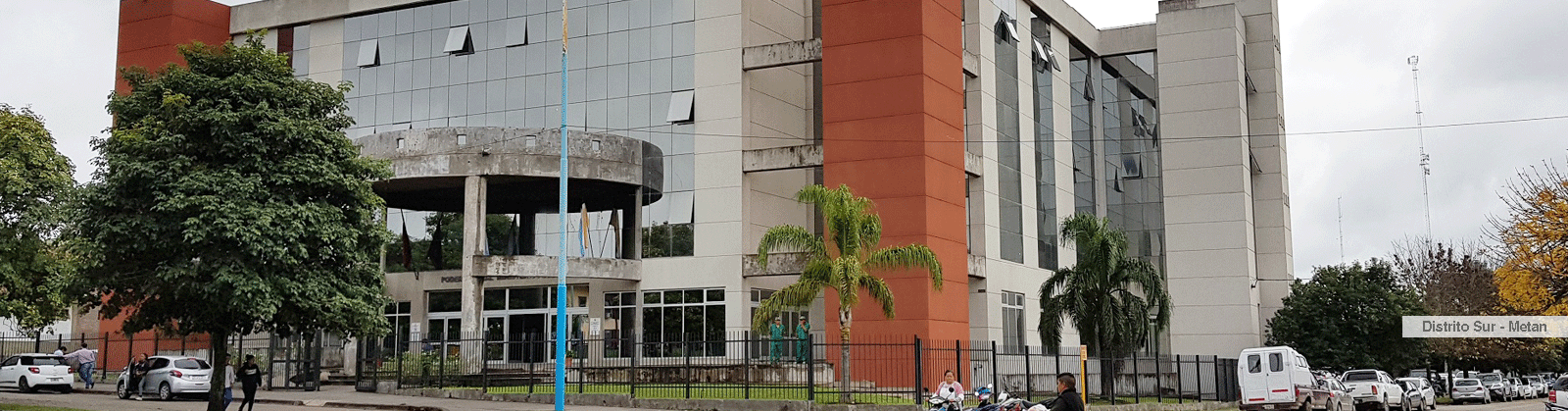
Distrito Sur - Metán

Mitre Oeste 30 - CP:4440
Tel:
e-mail: madmins@justiciasalta.gov.ar

Distrito Sur - Anta

Belgrano 210 - Esq. 9 de Julio (Joaquín V. González) - CP:4448
Tel:
e-mail: gcfl1@justiciasalta.gov.ar