
0%
Filled with laugh-out-loud hilarious text and cartoons, the Diary of a Wimpy Kid series follows Greg Heffley as he records the daily trials and triumphs of friendship, family life and middle school where undersized weaklings have to share the hallways with kids who are taller, meaner and already shaving! On top of all that, Greg must be careful to avoid the dreaded CHEESE TOUCH!
The first book in the series was published in 2007 and became instantly popular for its relatable humor. Today, more than 300 million copies have been sold around the world!
The Roland D-70 is a legendary synthesizer module that was released in 1990, and its sounds continue to be cherished by musicians, producers, and sound designers to this day. One of the key aspects of the D-70's enduring popularity is its incredible soundfont, which we'll dive into in this detailed piece.
The Roland D-70 is a digital synthesizer module that was designed to provide high-quality, detailed sounds for music production and live performance. It features a 16-bit digital signal processor (DSP) and 32-note polyphony, making it capable of producing a wide range of sounds, from lush pads and textures to percussive and melodic sounds.
Before we dive into the specifics of the Roland D-70 soundfont, let's quickly define what a soundfont is. A soundfont is a collection of sounds, also known as presets or patches, that are stored within a synthesizer or sound module. These sounds can range from simple tones and textures to complex, layered soundscapes.
The Roland D-70 soundfont is a legendary collection of sounds that continues to inspire musicians, producers, and sound designers today. Its exceptional sound quality, versatility, and expressiveness have made it a staple of electronic, pop, and rock music, as well as film and television scoring. With its advanced synthesis capabilities, resonant filters, and effects processing, the D-70 soundfont remains a powerful tool for creative music production and sound design. Whether you're a seasoned musician or a newcomer to the world of synthesizers, the Roland D-70 soundfont is definitely worth exploring.
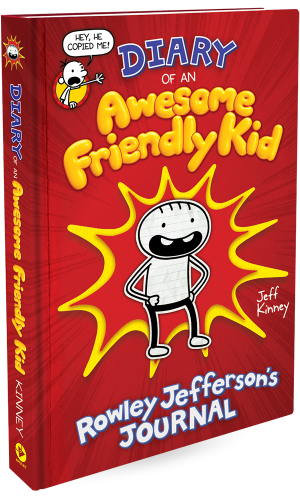
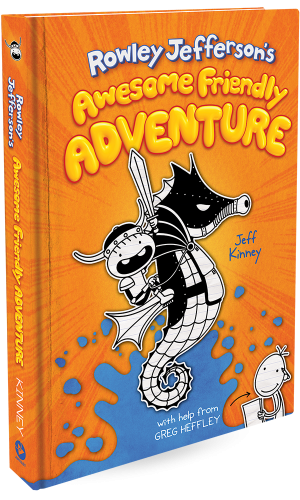
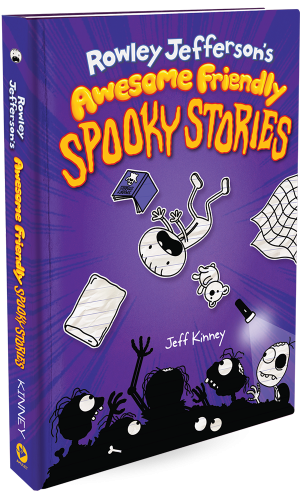
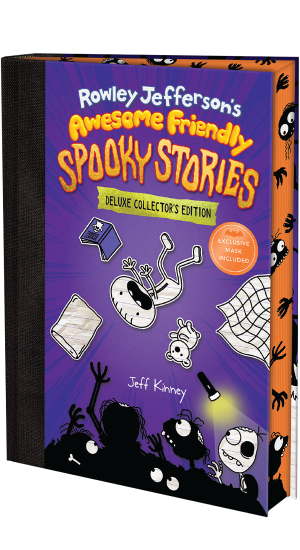
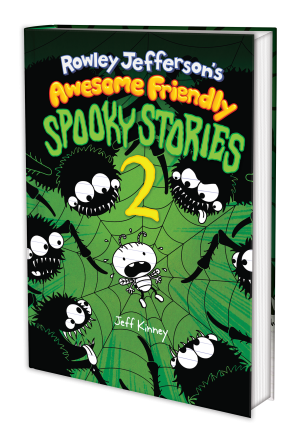
Get ready to see the Wimpy Kid world in a whole new way! Written and illustrated from the hilarious imagination of Greg Heffley’s best friend, Rowley Jefferson, the Awesome Friendly Kid series is filled with new adventures and vibrant stories that will have readers in stitches!
Click or scroll
through the books
roland d-70 soundfont
The Roland D-70 is a legendary synthesizer module that was released in 1990, and its sounds continue to be cherished by musicians, producers, and sound designers to this day. One of the key aspects of the D-70's enduring popularity is its incredible soundfont, which we'll dive into in this detailed piece.
The Roland D-70 is a digital synthesizer module that was designed to provide high-quality, detailed sounds for music production and live performance. It features a 16-bit digital signal processor (DSP) and 32-note polyphony, making it capable of producing a wide range of sounds, from lush pads and textures to percussive and melodic sounds.
Before we dive into the specifics of the Roland D-70 soundfont, let's quickly define what a soundfont is. A soundfont is a collection of sounds, also known as presets or patches, that are stored within a synthesizer or sound module. These sounds can range from simple tones and textures to complex, layered soundscapes.
The Roland D-70 soundfont is a legendary collection of sounds that continues to inspire musicians, producers, and sound designers today. Its exceptional sound quality, versatility, and expressiveness have made it a staple of electronic, pop, and rock music, as well as film and television scoring. With its advanced synthesis capabilities, resonant filters, and effects processing, the D-70 soundfont remains a powerful tool for creative music production and sound design. Whether you're a seasoned musician or a newcomer to the world of synthesizers, the Roland D-70 soundfont is definitely worth exploring.