
The Best Traffic Bot and Website Automation Software
TrafficBotPro empowers you to effortlessly automate any web task and send mass traffic to websites with
ease





Earn money by clicking ads
on your website or beat
your competitors by
clicking their AD
automatically.


Join popular freelancing
platforms like Fiverr, Seo
Clerks and start selling
website traffic there and
make some money!
In conclusion, Hindi and Tamil cinema have a rich tradition of portraying romantic relationships and storylines that reflect societal values and cultural norms. While both industries share common themes and trends, they also exhibit distinct differences in their approach to storytelling and character development. By analyzing these portrayals, we can gain a deeper understanding of the changing dynamics of relationships in Indian society and the impact of cultural and social factors on these portrayals.
Exploring Romantic Relationships and Storylines in Hindi and Tamil Cinema: A Comparative Analysis
A comparative analysis of Hindi and Tamil cinema reveals both similarities and differences in their portrayal of romantic relationships and storylines. Both industries have traditionally emphasized the importance of family, duty, and social obligations in relationships. However, Tamil cinema often focuses on more realistic and grounded portrayals, while Hindi cinema tends to emphasize melodrama and spectacle.
Hindi cinema, also known as Bollywood, has its roots in the Indian film industry's early days. With the first film, Raja Harishchandra , released in 1913, Hindi cinema has grown exponentially, producing numerous iconic films that have become an integral part of Indian popular culture. Tamil cinema, or Kollywood, has a similarly rich history, with its first film, Keechaka Vadham , released in 1918. Both industries have produced films that showcase romantic relationships and storylines, reflecting the cultural and social values of their time.
Over the years, romantic relationships and storylines in Hindi and Tamil cinema have undergone significant changes. Earlier films, such as Hum Aapke Hain Koun..! (1994) and Pallu Padama Paathuka (2014), typically depicted traditional, conservative, and family-oriented relationships. In contrast, contemporary films like Dilwale Dulhania Le Jayenge (1995) and Ennu Ninte Moideen (2015) showcase more progressive and modern relationships.
TrafficBotPro is a software web automation software that allows you to hide and control your digital
fingerprint by spoofing all parameters that websites can see. By masking these settings, you can bypass
anti-fraud systems by impersonating your real internet identity.
It helps you create a large number of profiles, each with its own digital fingerprint. These profiles do not
overlap with each other, so the website cannot ban your account. This is useful for performing various tasks
on the Internet.




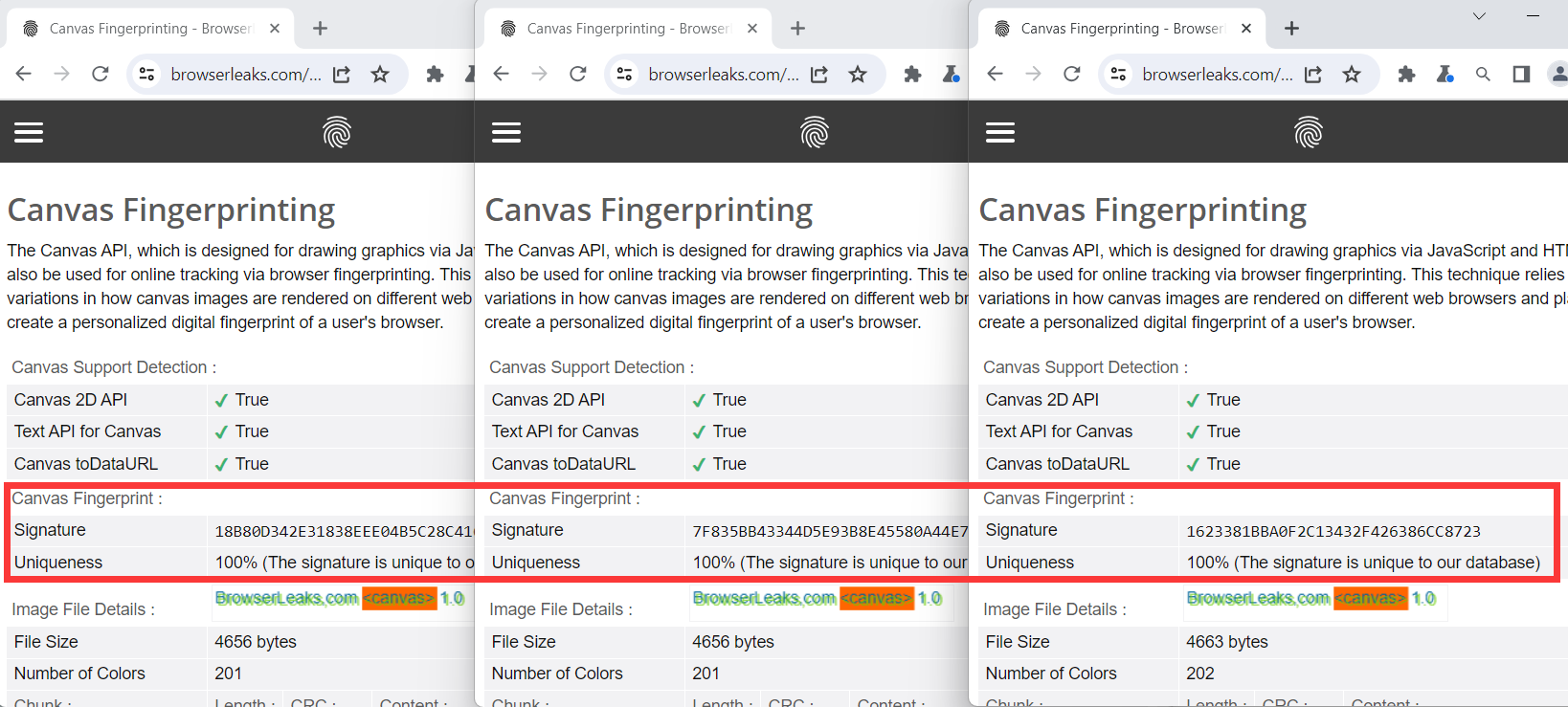

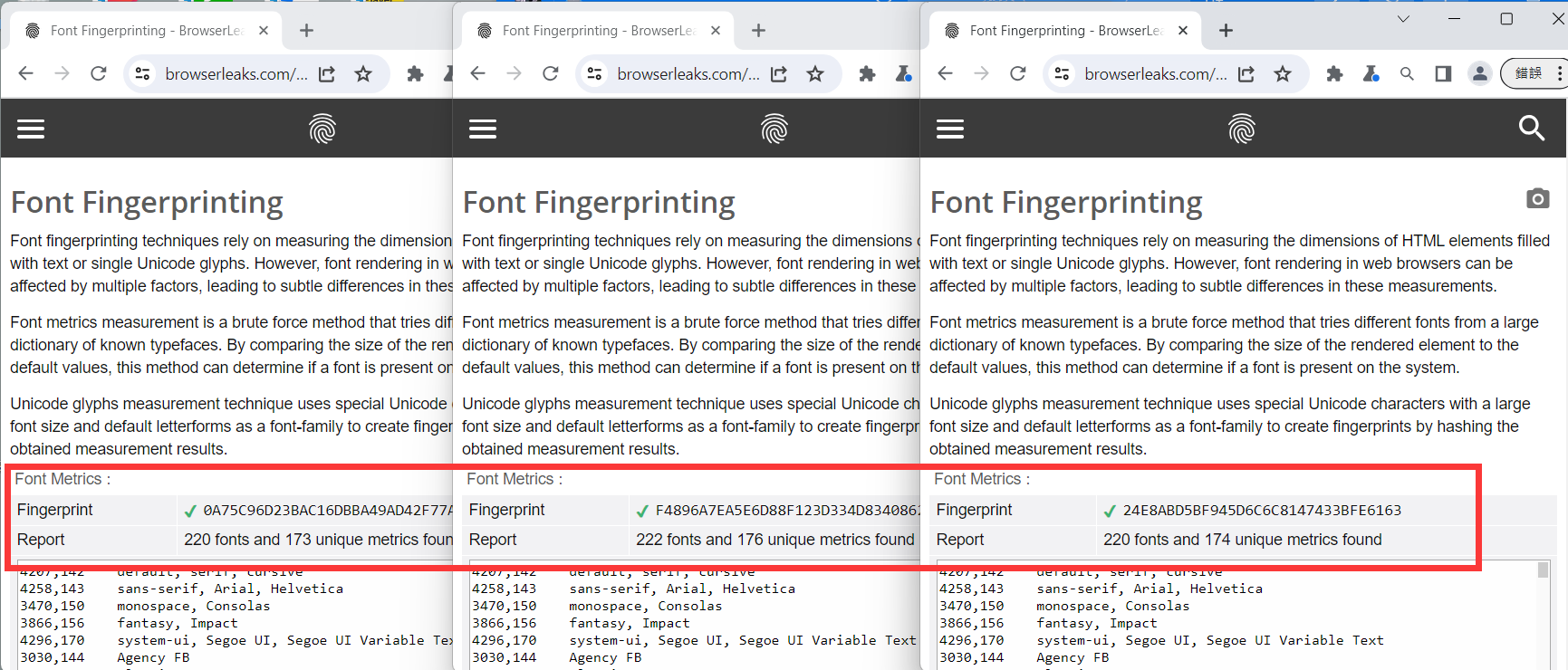
Our software approaches browser fingerprinting in a completely indigenous way. Instead of trying to prevent websites from reading your computer’s fingerprint, our software allows reading it but replaces your original fingerprint with a different one. When you use a proxy IP, our software is fully different to other software that only add a proxy to your browser to work, our software will set the timezone, language, DNS and location etc... is matched to your proxy IP, that will make you looks like a real people from the proxy IP. Our software can also generate different device fingerprint and bind different fingerprint with your accounts. Once the account is bind with proxy IP, device fingerprint and other settings, the account will use these settings all the time with all operation. That is why you can use our software to mange and operate many accounts with different proxy safely.


In conclusion, Hindi and Tamil cinema have a rich tradition of portraying romantic relationships and storylines that reflect societal values and cultural norms. While both industries share common themes and trends, they also exhibit distinct differences in their approach to storytelling and character development. By analyzing these portrayals, we can gain a deeper understanding of the changing dynamics of relationships in Indian society and the impact of cultural and social factors on these portrayals.
Exploring Romantic Relationships and Storylines in Hindi and Tamil Cinema: A Comparative Analysis
A comparative analysis of Hindi and Tamil cinema reveals both similarities and differences in their portrayal of romantic relationships and storylines. Both industries have traditionally emphasized the importance of family, duty, and social obligations in relationships. However, Tamil cinema often focuses on more realistic and grounded portrayals, while Hindi cinema tends to emphasize melodrama and spectacle.
Hindi cinema, also known as Bollywood, has its roots in the Indian film industry's early days. With the first film, Raja Harishchandra , released in 1913, Hindi cinema has grown exponentially, producing numerous iconic films that have become an integral part of Indian popular culture. Tamil cinema, or Kollywood, has a similarly rich history, with its first film, Keechaka Vadham , released in 1918. Both industries have produced films that showcase romantic relationships and storylines, reflecting the cultural and social values of their time.
Over the years, romantic relationships and storylines in Hindi and Tamil cinema have undergone significant changes. Earlier films, such as Hum Aapke Hain Koun..! (1994) and Pallu Padama Paathuka (2014), typically depicted traditional, conservative, and family-oriented relationships. In contrast, contemporary films like Dilwale Dulhania Le Jayenge (1995) and Ennu Ninte Moideen (2015) showcase more progressive and modern relationships.
Browse the latest blog posts for in-depth insights into anti-detection and online privacy. Stay up-to-date!



Submit your need here, we will check and give you reply asap.